Back BuilderMade Simple
Path to your Visible Back Width
was €49 Today
€15
Strong & Safe Back Method
Master back muscles activation, safe working technique, and posture improvement
Your Back Right
Limited offer
Special Bonus
Only if you buy now!
3 Сore Drill Lessons & Habit Tracker
VIDEO + PDF
YOUR BACK IS
HOLDING
YOU BACK
Random/no workouts = weak posture, nagging
pain, no changes in physique

Wrong Muscle, Wasted Rep
Pulling with your biceps, hands, but not your lats. Your back barely activates during workout because nobody taught you how to initiate the movement. Volume without connection builds nothing.
Chaos, Not Growth
Different exercises every back day. No progression. No mind-muscle connection. Your back stays narrow while your ego takes the reps.
Pain That Won't Quit
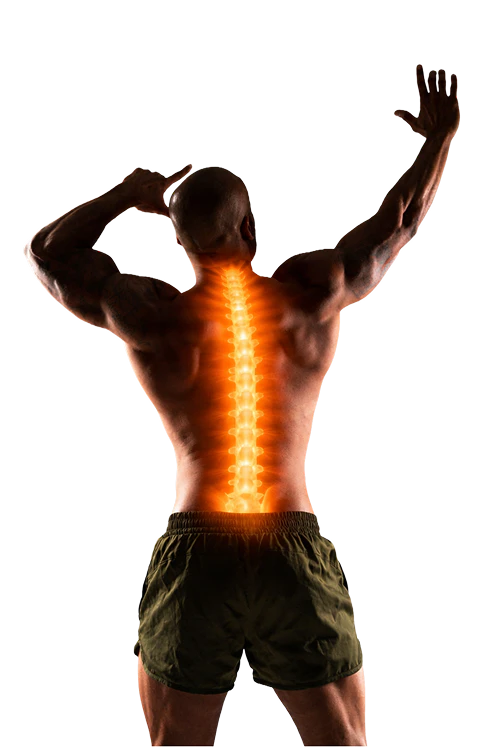
That lower back ache after workout? Shoulders rounding forward ? These aren't small things - they're the warning signs of a back that's being trained without any understanding of mechanics.
Back Builder combines
three elements that bring
best results together:
Elements That
Bring Results Together

01
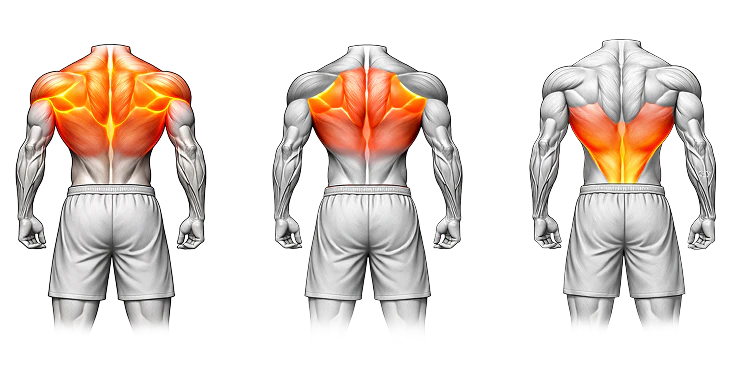
Spine‑safe, all back muscles targeted techniques
02
Micro‑routines for posture
THE
BACK
SYSTEM
A focused mini course
that solves the back problem
from the root —
not by adding more sets, but by building the right neurological connection
and foundation
01 Activate Before You Load
Learn to feel your lats, traps and other muscles fire before adding any weight.
02 Build Thickness With Purpose
The exercise combinations and loading principles that actually create the 3D back look — rear delt, rhomboid depth, and spinal erector balance all addressed
03 Vertical Pull Dominance
Pull-ups, lat pull-downs, and their progressions — taught from the scapula down. Width and thickness come from pulling correctly, not just pulling harder
04 Full Workout + Posture Lock
A complete applied back session plus a posture correction protocol you run weekly. Train pain-free now and for the next 20 years - a back built right doesn't break down
RESULTS
YOU'LL FEEL
1
A Back That Looks Thick From Every Angle
Width, depth, and definition. The V-taper you've been trying to build finally becomes visible
2
You Feel Your Muscles Working — Every Single Rep
That disconnection between effort and activation disappears. You'll know exactly when the right muscle is firing and when it isn't.
3
Every Lift Gets Stronger
Your back is the base for pressing, pulling, hinging — strengthen it correctly and your entire compound lift performance improves.
4
No More Lower Back Pain After Training
Because you'll stop using your lower back to compensate for a weak upper back. Mechanics fixed means pain gone.
5
Your Posture Changes
Shoulders back, chest up, spine tall. This happens automatically once the right muscles are actually strong enough to hold position.
6
Training Built to Last Decades
Because you'll stop using your lower back to compensate for a weak upper back. Mechanics fixed means pain gone.
GOT DOUBTS?
My back already hurts — is this really safe?

The course is designed for men with mild to moderate, non‑acute issues who have been cleared to exercise. You’ll start with low‑load drills, clear scaling options, and specific “when to stop” guidelines. If your pain is sharp, unexplained, or radiating, you should see a professional first
Do I have to change my whole program?
No. The This Mini-Course is built as an add‑on. You’ll get versions for common splits (push/pull/legs, upper/lower, full‑body) so you can keep your main program and simply insert the back blocks where they belong.
I’ve tried online routines before and never stuck with them
That’s why this is short, structured, and specific: 15–20 minutes, 3–4 times per week, plus 10‑minute desk resets. You’ll also track a few simple numbers (pain score, stiffness, key lifts) so you actually see progress instead of just trusting your memory
What if I don’t see a difference?
If you follow the plan for 30 days, log your sessions, and don’t feel more confident in your technique or notice any reduction in stiffness or discomfort, you can use the Train‑With‑Confidence guarantee and get a full refund.
 EdGrind
 Email
Email
Your Back Right